 | 
|  |
|
|
Propane is a by-product of the refining process of natural gas and crude oil. About 4% of a barrel of oil becomes propane. Propane boils at -44 degrees Fahrenheit; when it is vaporized, it becomes a gas again. Because it vaporizes at such a low temperature, it mixes easily with air. Therefore, it doesn't require a high temperature (over 400 degrees Fahrenheit for gasoline) for it to atomize. This improves cold starts, emissions, and drive-ability. Propane is a stable fuel; it doesn't go bad if you don't use it! Since propane has such a low carbon content, motor oil never gets dirty which increases engine life. The oil does still need to be changed, though not as often. Spark plug life is dramatically extended. Also, you cannot "flood" a propane engine. When a gasoline engine "floods," raw fuel enters the cylinders, washing past the rings and into the oil, also wetting the plugs. Propane carburation automatically compensates for altitude changes, saving carb re-jetting and computer re-learn. Since propane is under pressure, there are no fuel pumps, no float bowl, or needle and seat. Another plus is the high octane rating of propane between 100 and 110. This means that if you are turbocharging or supercharging, it is the ideal fuel. The propane system is sealed to the elements so that even complete submersion will not allow water into the fuel system. Propane is available throughout the world.It is all the same fuel and the fittings are standardized. Your local propane dealer will usually cut you a break when buying motor fuel. Best of all almost all propane is Made in the U.S.A.!
This is the most reliable fuel system on the market, We use the best parts available to the alt fuel market, and spend extra $$ in the manufacturing process to upgrade the internal parts from rubber to silicone, tripling the service life 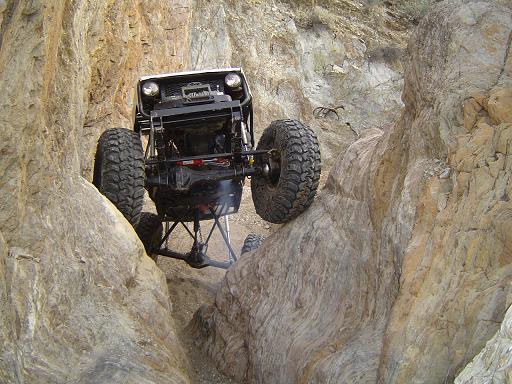 Twisted 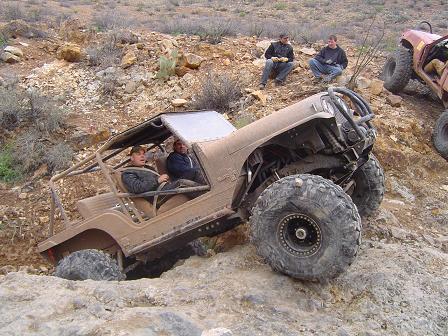 Jeep body on Blazer frame with our v8 kit. Chile Challenge. This truck burns an average of 9 gallons a day trail riding/rock crawling just about non stop. 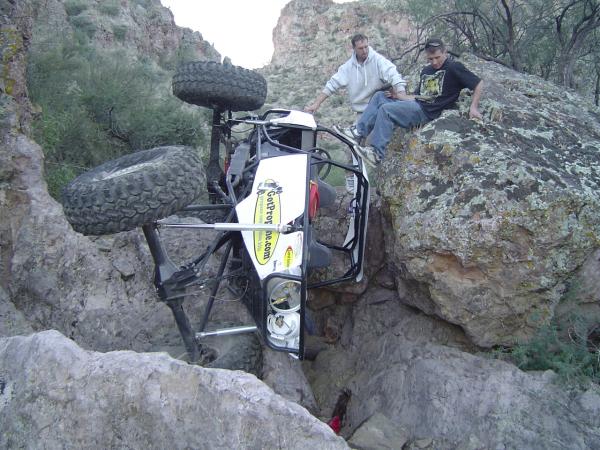 No worries about spills or leaks! |
|
  |